Uber’s new shared scooter is bigger, tougher, and stops faster
Get link
Facebook
X
Pinterest
Email
Other Apps
-
Coming to the US later this month. Images: Uber
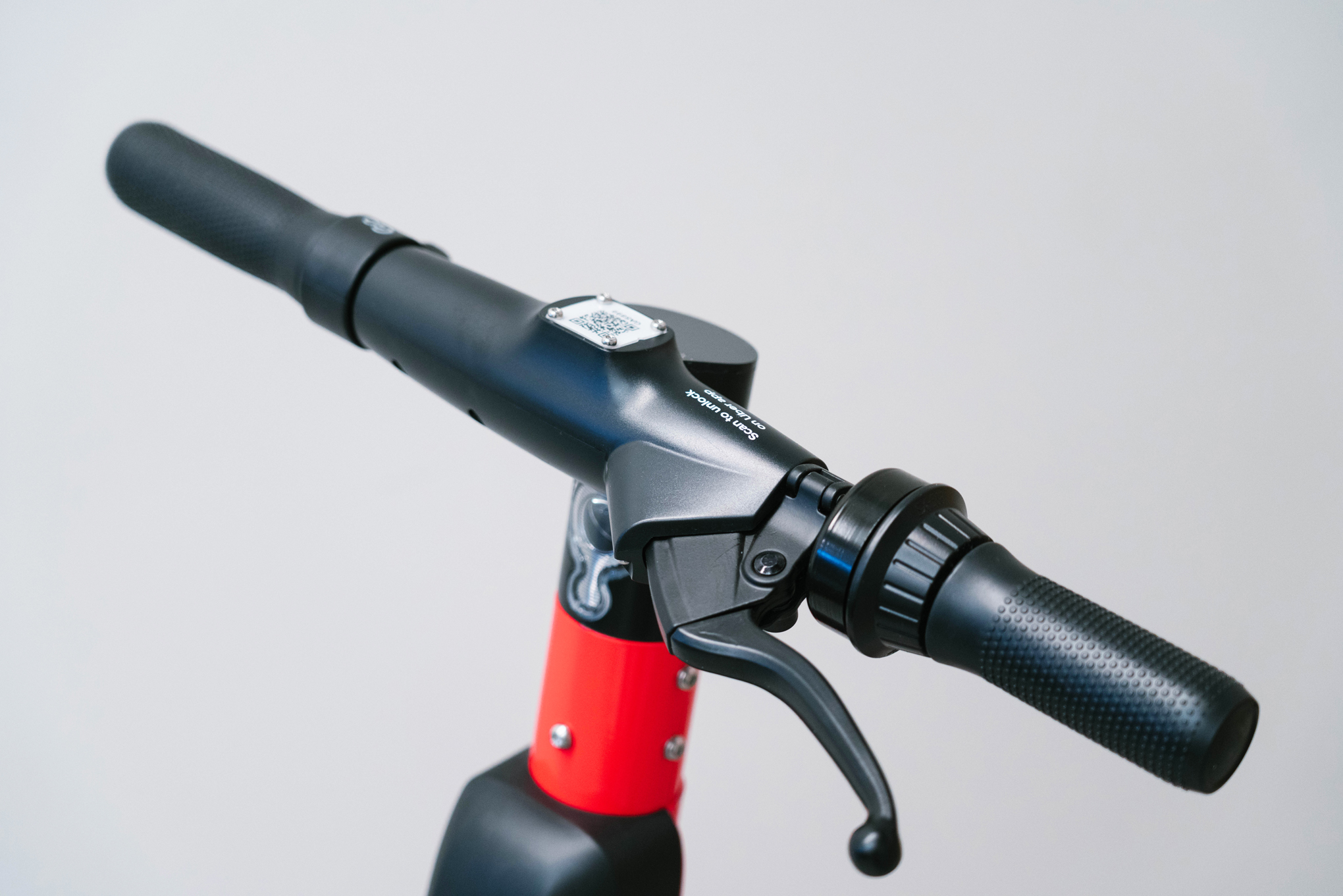
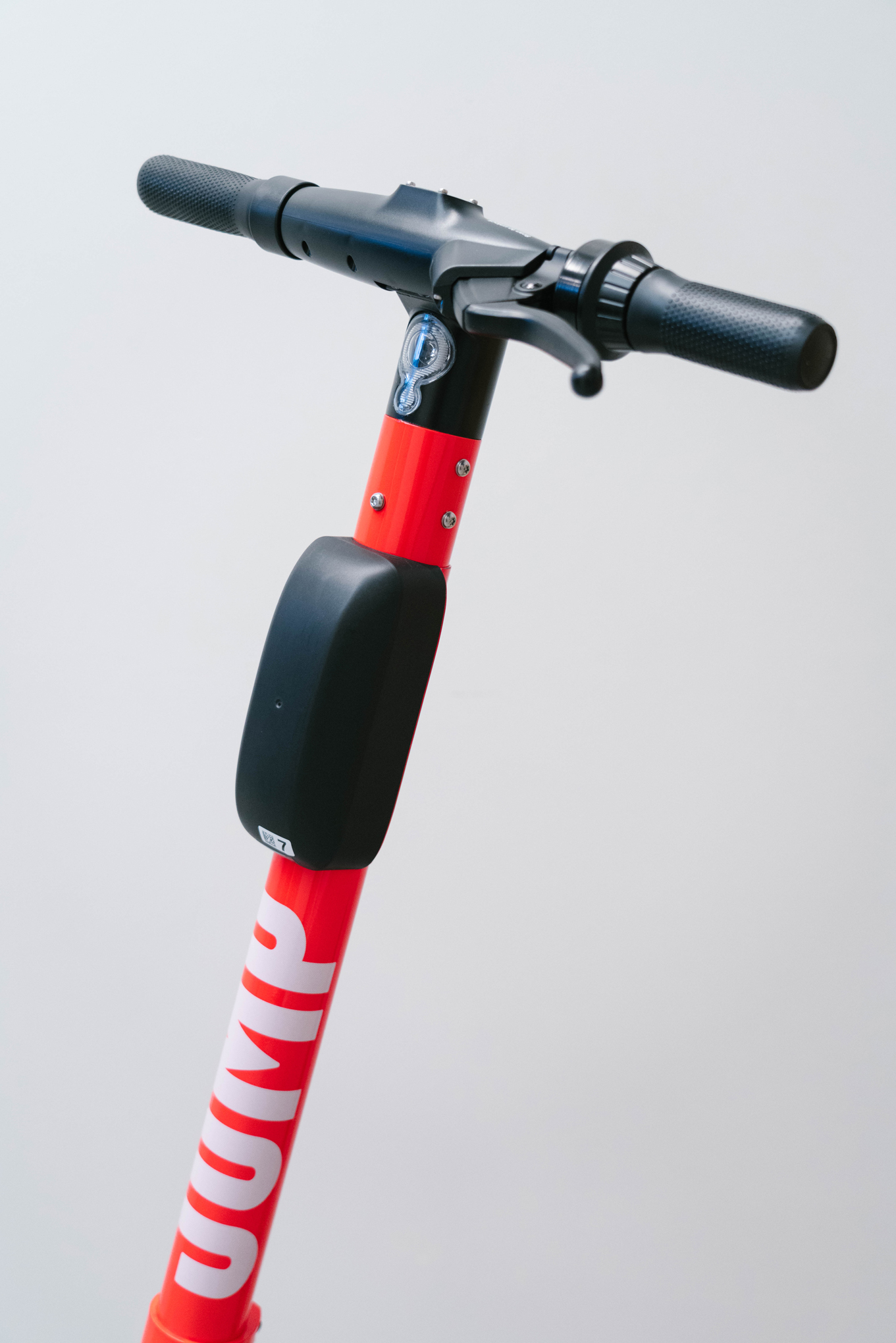
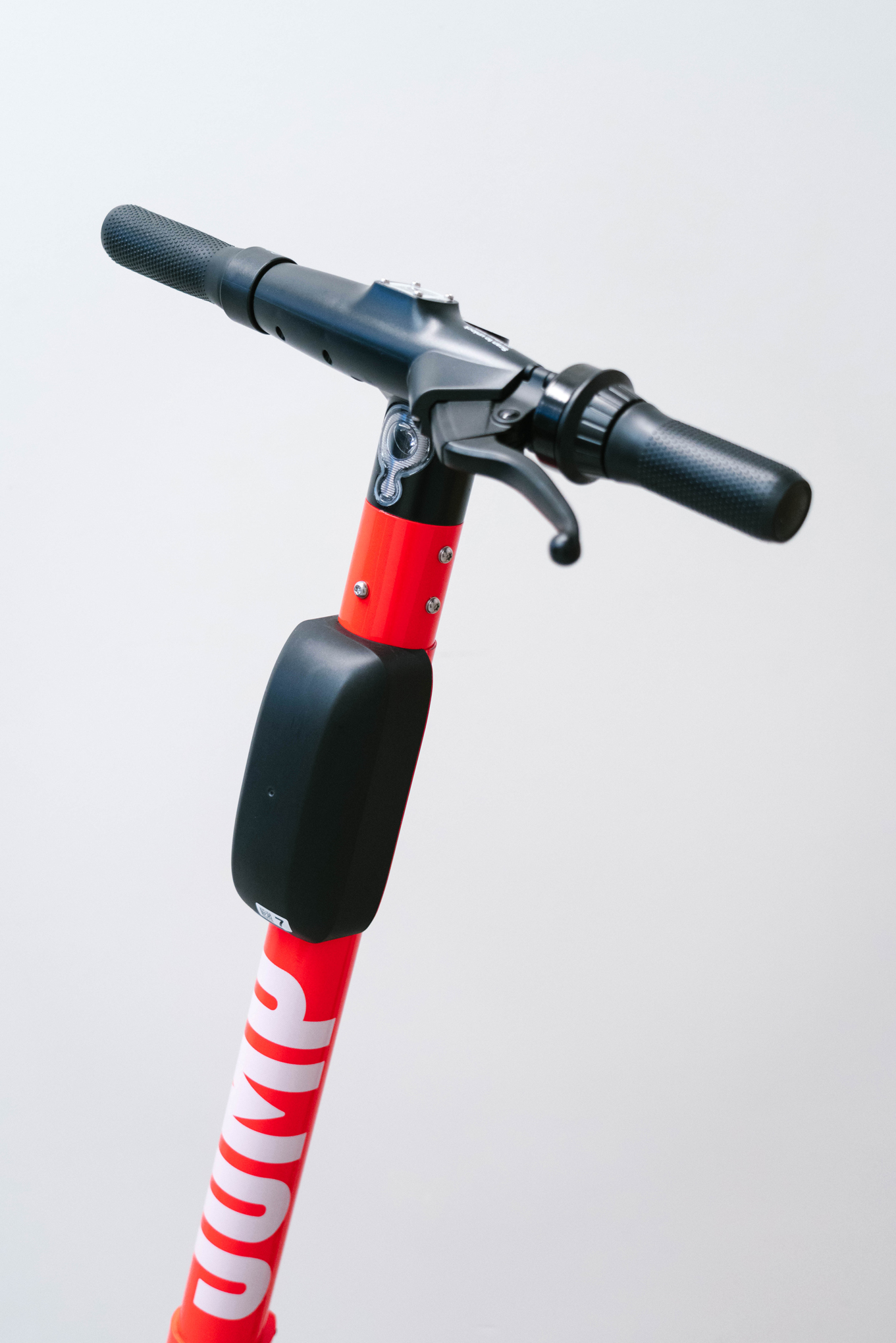
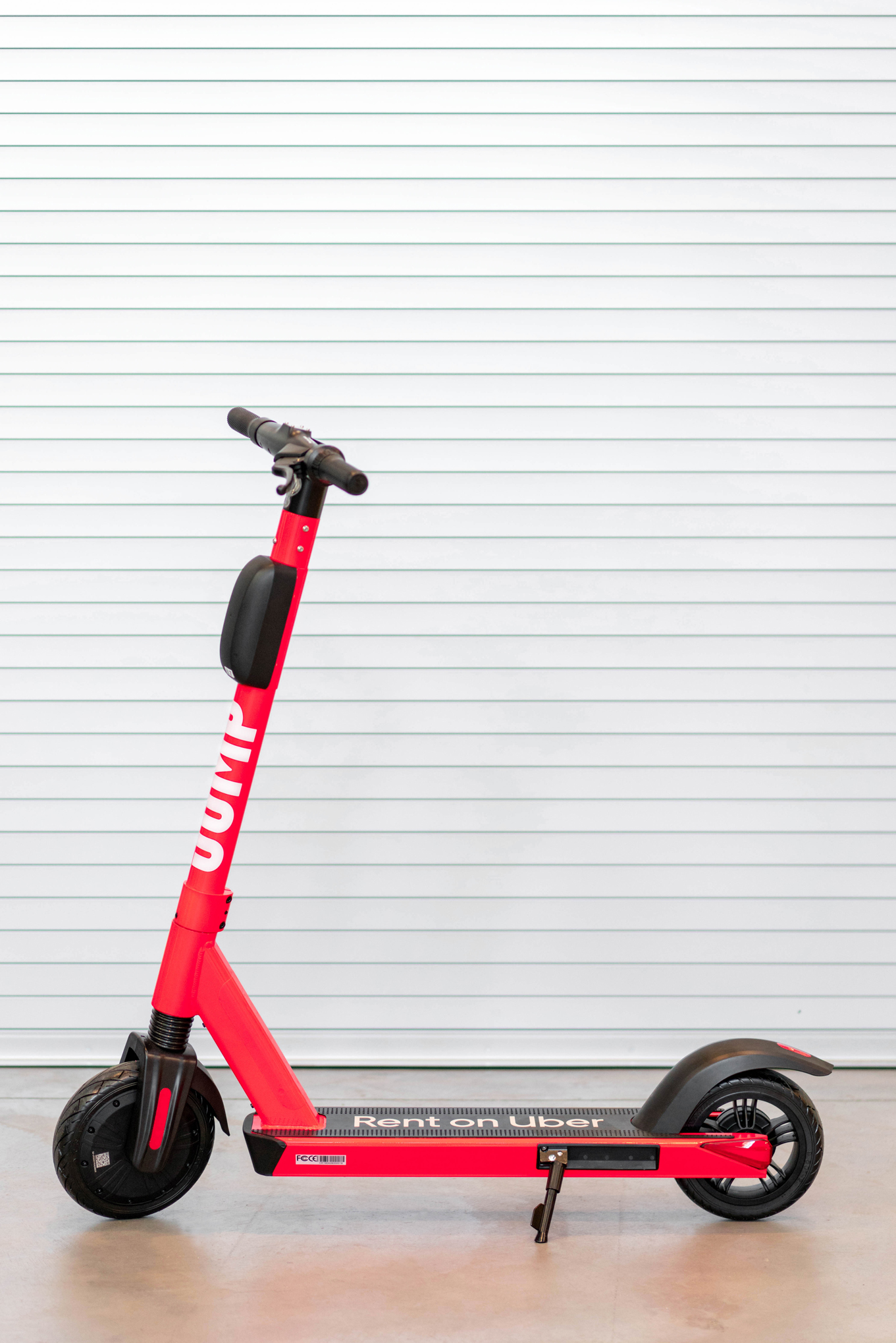
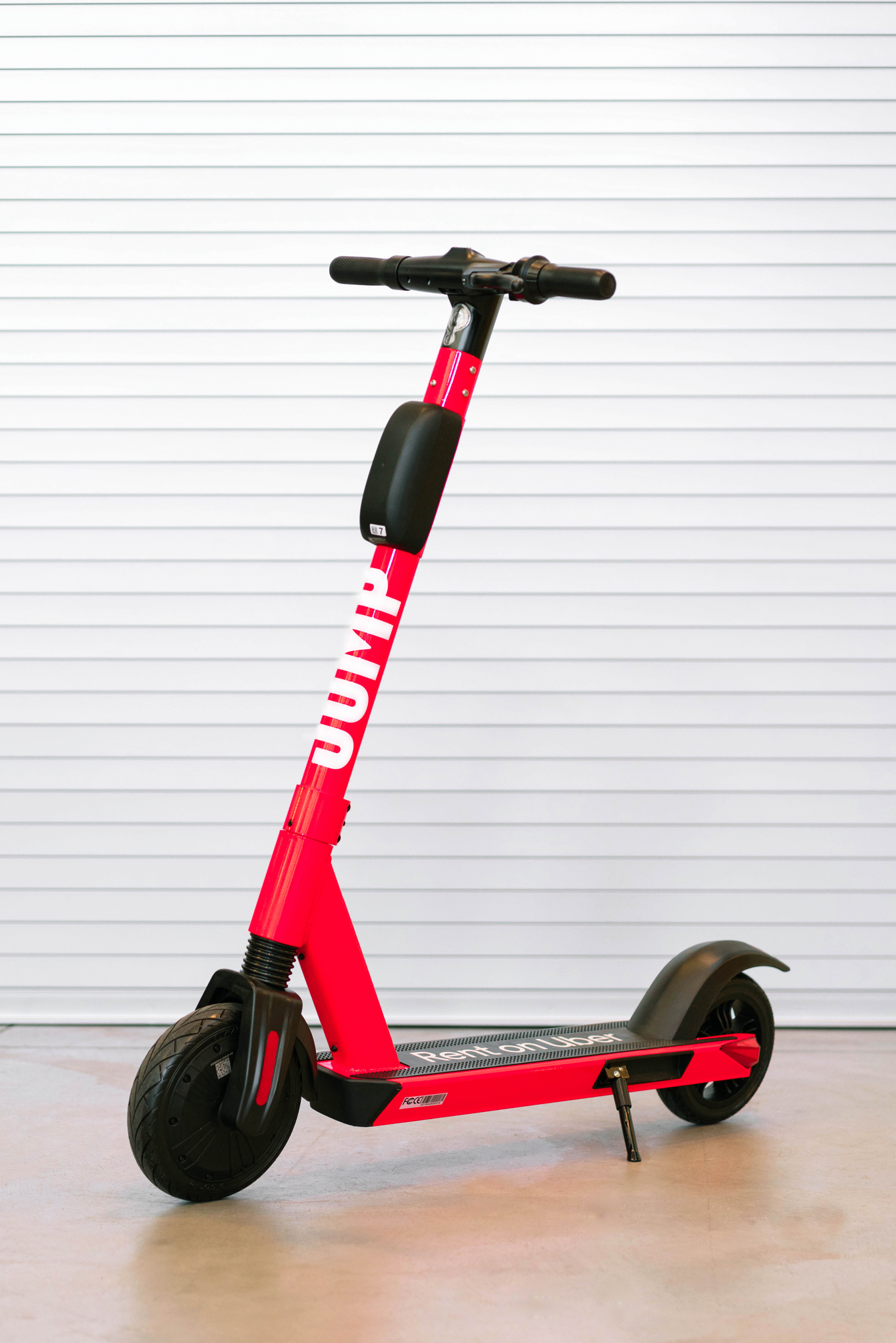
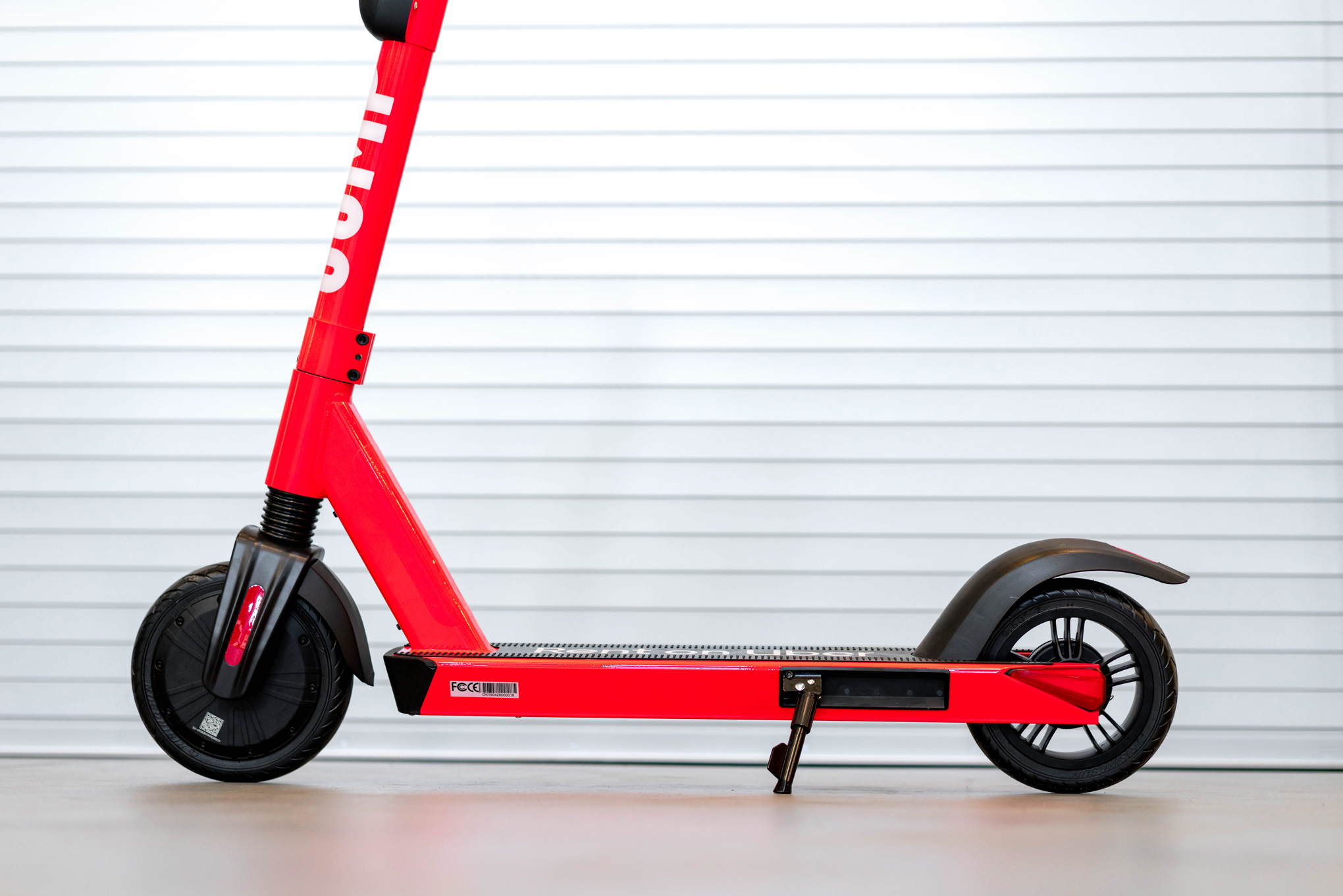
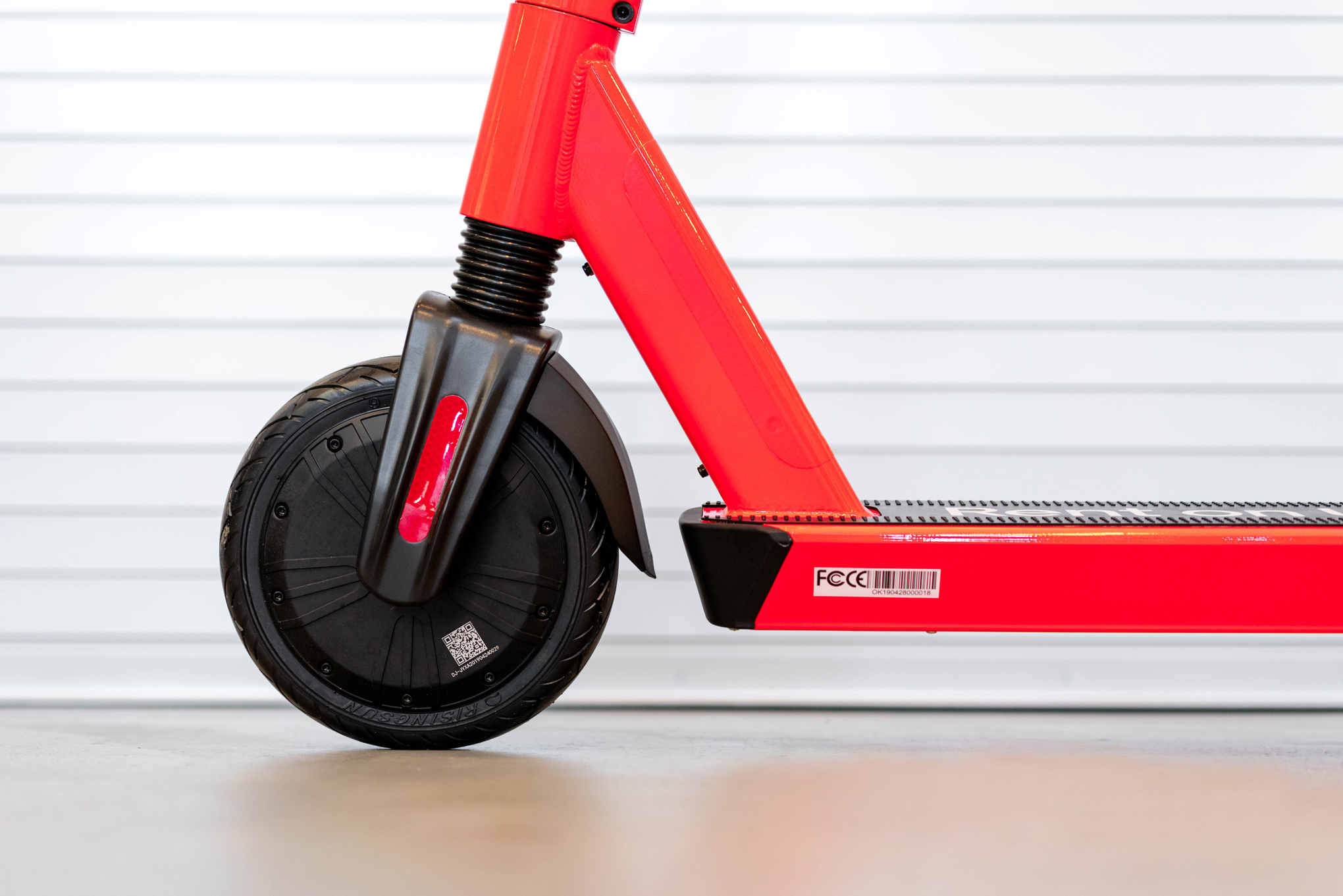
Uber has previewed a second-generation version of the Jump electric scooters it rents out in cities around the world. The new scooter looks mostly similar at a glance, bathed in day-glo red with “Jump” written in big, white block lettering. But this new scooter is bigger and made with a more durable frame. It also has bigger wheels for a more stable ride, and better brakes. Uber says the new scooter will start showing up in US cities on June 24th, and will make its way to Europe “later this summer.”
The scooter was previewed at Uber’s third-annual Elevate conference, which is dedicated to showing off the tech and ideas being built up for the company’s planned air taxi service. Uber also showed off a new swappable battery system for the e-bikes on its Jump shared network. (Uber bought Jump in April 2018.) Uber says that’s part of the next-generation version of the bikes, which the company plans to roll out “later this year.”
One of the biggest overhauls to the new scooter is the braking system. The thumb-lever brake on the first-generation scooter has been replaced with a type of hand brake more commonly found on bicycles. When squeezed, the hand brake will now stop both wheels, making it easier to slow down.
Uber didn’t offer any other specifications about the scooter when asked. Regardless, any effort to toughen up existing scooters could go a long way toward shoring up the business side of this service. Scooter sharing companies are bleeding money almost as fast as Uber and Lyft’s main ride-hailing businesses, and a big reason is that some of the scooters only last about a month or two under heavy use. To counteract this, most of these companies are partnering with new manufacturers to design custom scooters that are better suited for constant riding. Uber’s new scooters will likely change that calculus a bit, but it will have to hit the road before anyone knows how much closer the company is to making money on them.
Source: Sean O'Kane|@sokane1 (The Verge). ~Best Feeds ™...
The top speeds cost top dollar, but you might not need the fastest drive T he price of an external storage drive is tied to a few factors: the amount of storage capacity you’re looking for, how fast the drive is at transferring your files, and its physical size. At this point, high-capacity external drives that require power adapters are surprisingly inexpensive. This is a great option for some, especially if lugging it around isn’t a big deal, or you rarely feel the need to unplug it. But those who are looking for something smaller, particularly a more travel-friendly USB-C drive that doesn’t compromise on storage capacity or speed, have a few different roads to take. As you might expect, it can get very expensive to find a drive that ticks all of these boxes. But thanks to the falling rates of SSD prices, you can get a fast external drive with a lot of storage capacity for less than you might expect. I tested a few 1TB USB-C solid state drives ranging in price from...
Would it make you feel better about buying one? I genuinely don’t know whether to feel reassured or worried about Apple’s latest attempt to address its busted butterfly keyboards . I think it’s both — because on the very same day Apple announced a revised version of its MacBook Pro keyboard that supposedly won’t get crippled by mere specks of dust, it included those brand-new keyboards in the same free extended repair program designed to placate customers whose keyboards do fail. Like Owen Williams points out, it’s weird: Owen Williams ✔ @ow Replying to @ow First keyboard in history to launch with a replacement program on day one for when it definitely breaks? talk about faith 345 12:08 AM - May 22, 2019 154 people are talking about this Twitter Ads info and privacy If you assume that Apple’s trying to sweep this issue under the rug, it’s easy to jump to ...
/cdn.vox-cdn.com/uploads/chorus_image/image/63991740/JUMP_Scooter_V2_Side.0.jpg)


Comments
Post a Comment